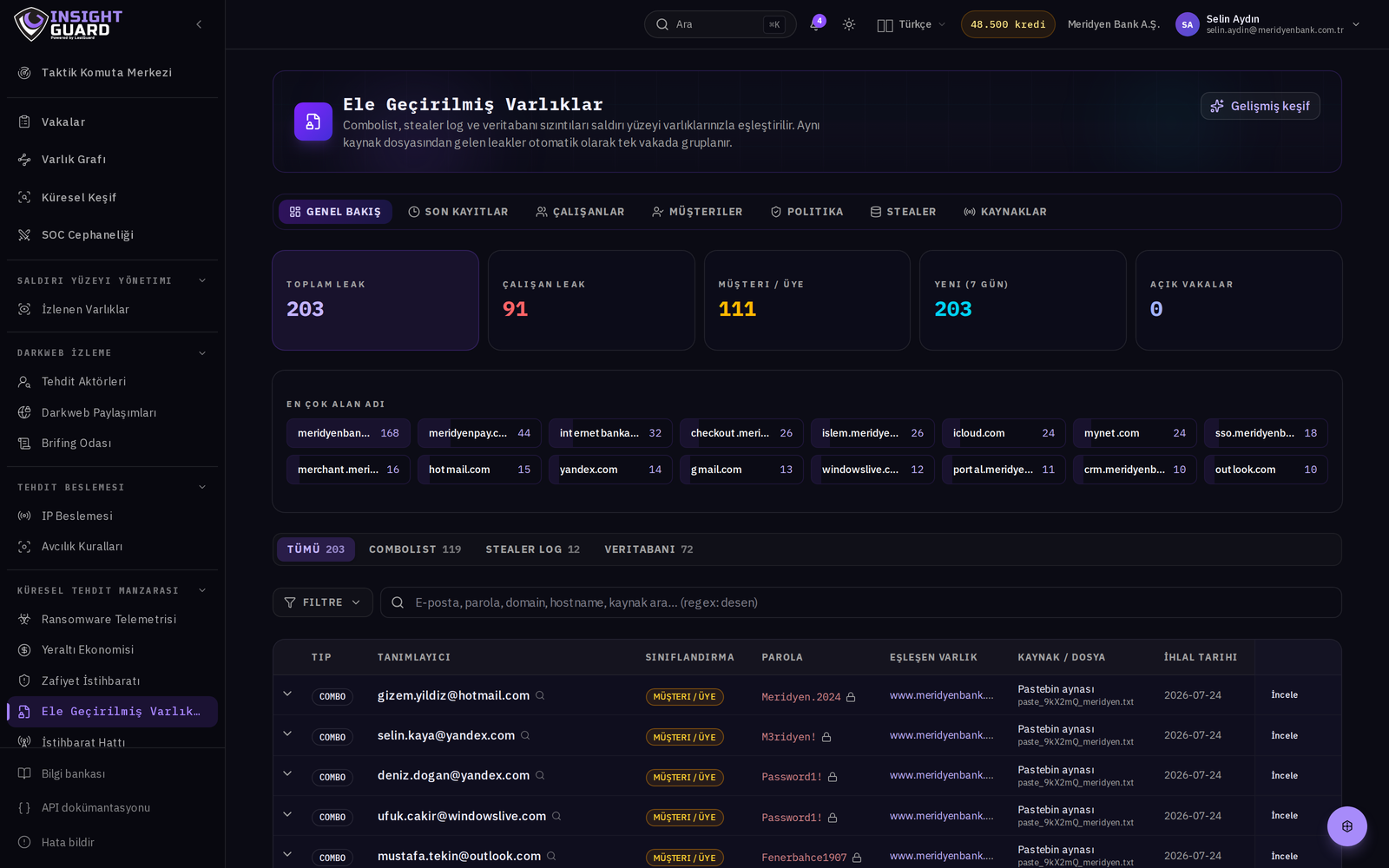
Featured
How to read a stealer log: the anatomy of one line
What sits inside an infostealer record, what each field tells you and in what order to triage it.

Blog
Short answers to questions we meet in the field: reading stealer logs, catching typosquats, managing IOCs, closing cases. Research, operations and product notes.
Featured
What sits inside an infostealer record, what each field tells you and in what order to triage it.
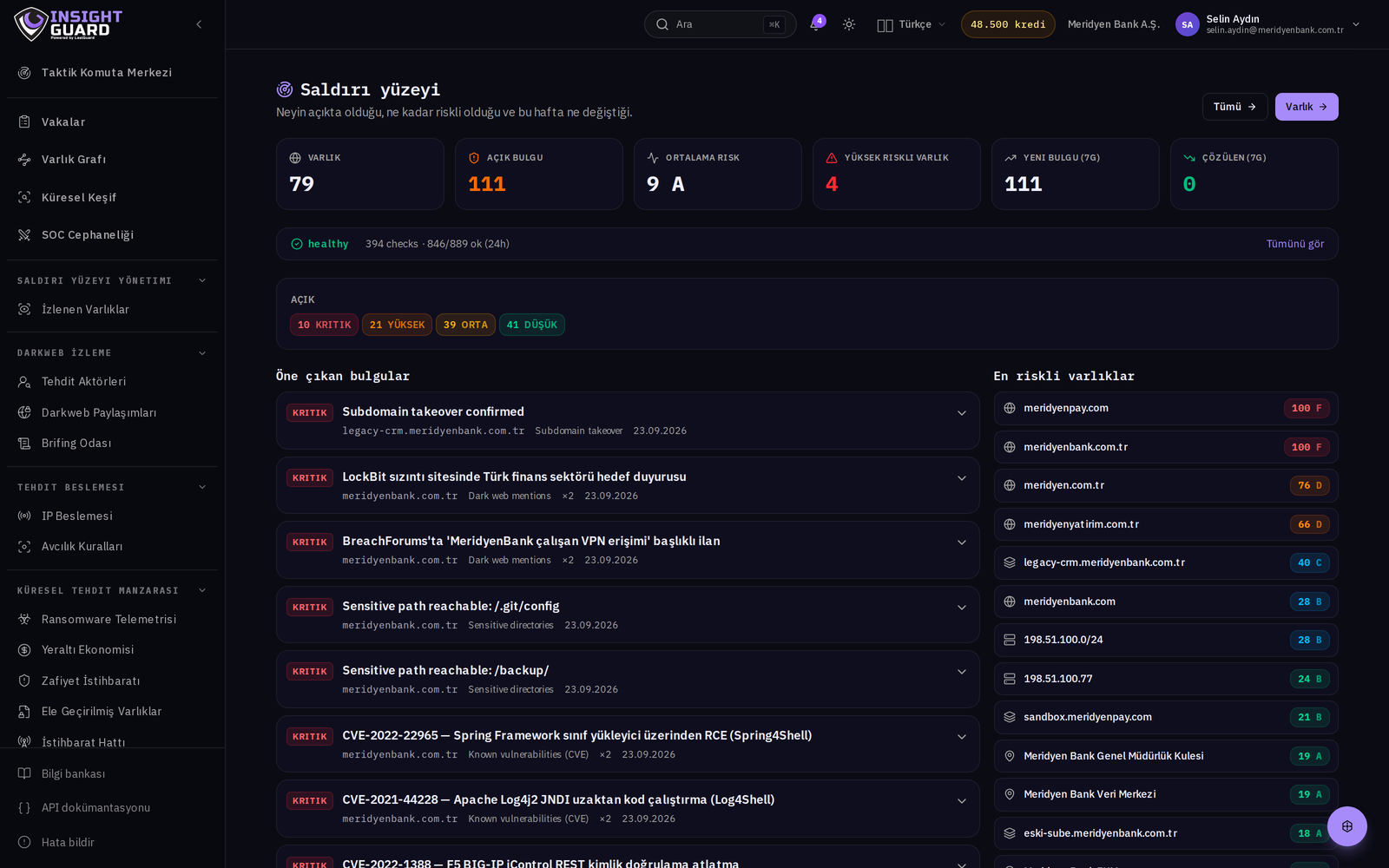
An inventory is a process, not a spreadsheet. Any subdomain without a known owner eventually becomes nobody's asset.
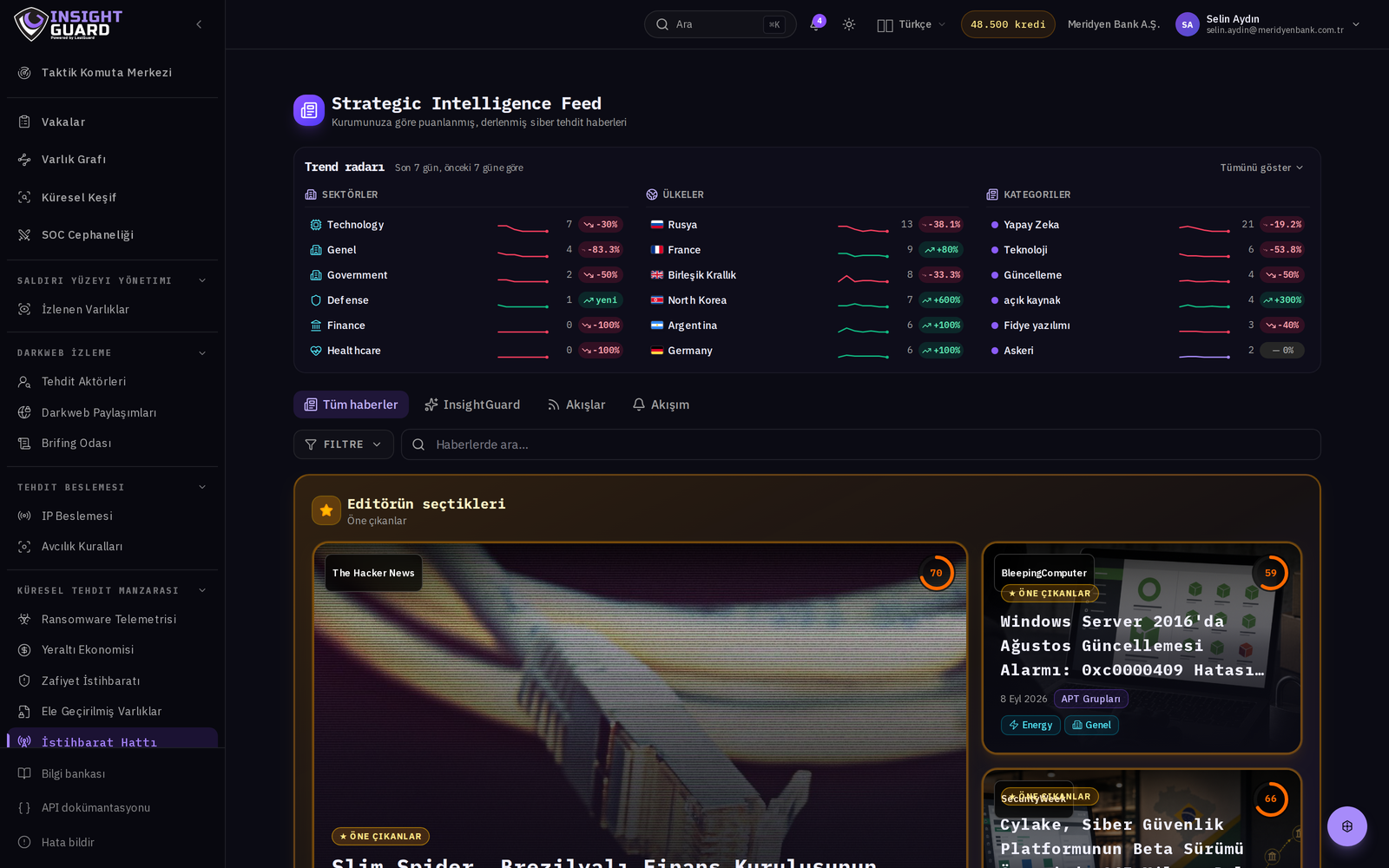
An indicator list does not gain value as it grows. Context-free IOCs create work for analysts and become a closed …
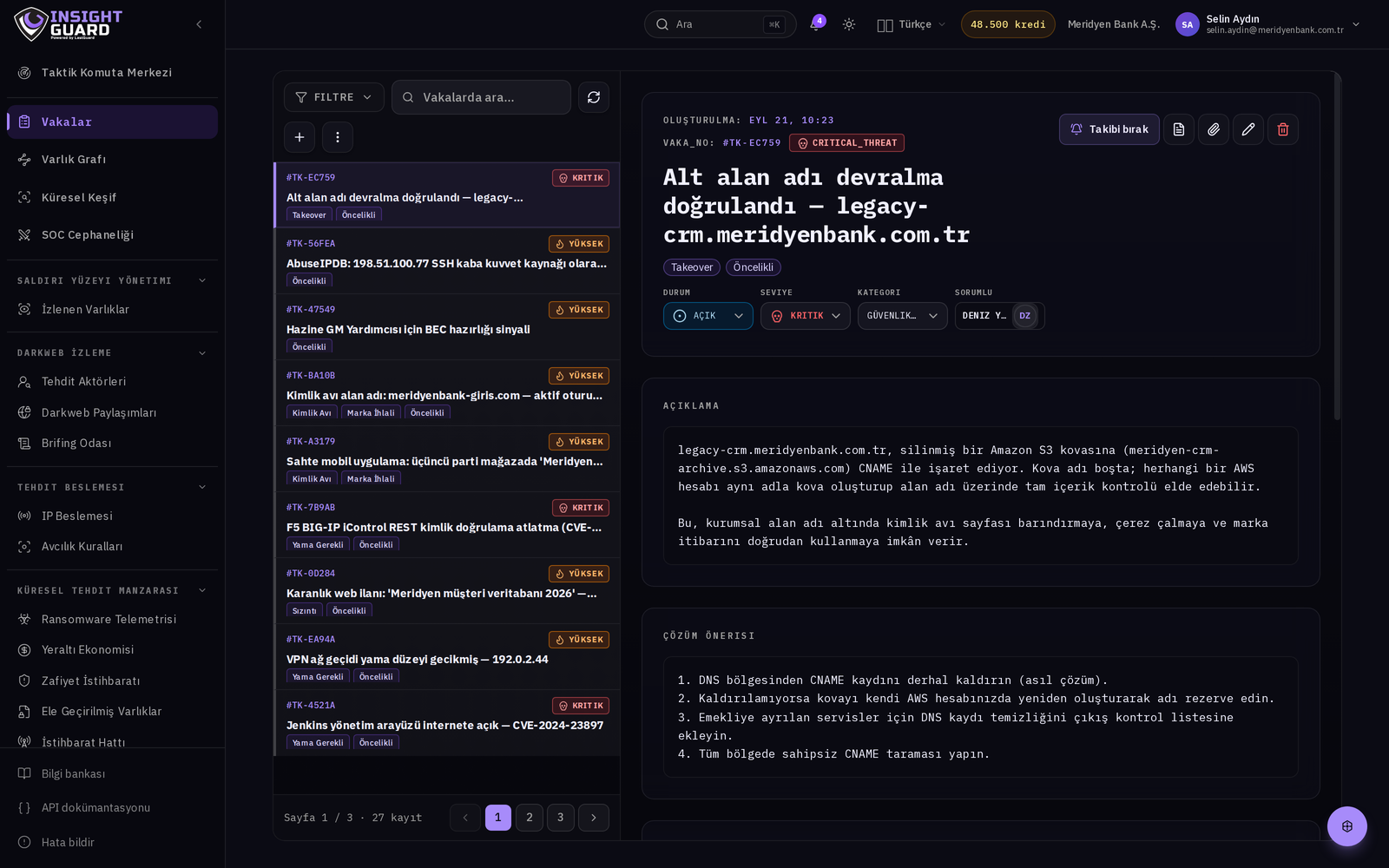
Resolved, false positive and risk accepted are not the same thing. Getting the distinction right determines what your report says …
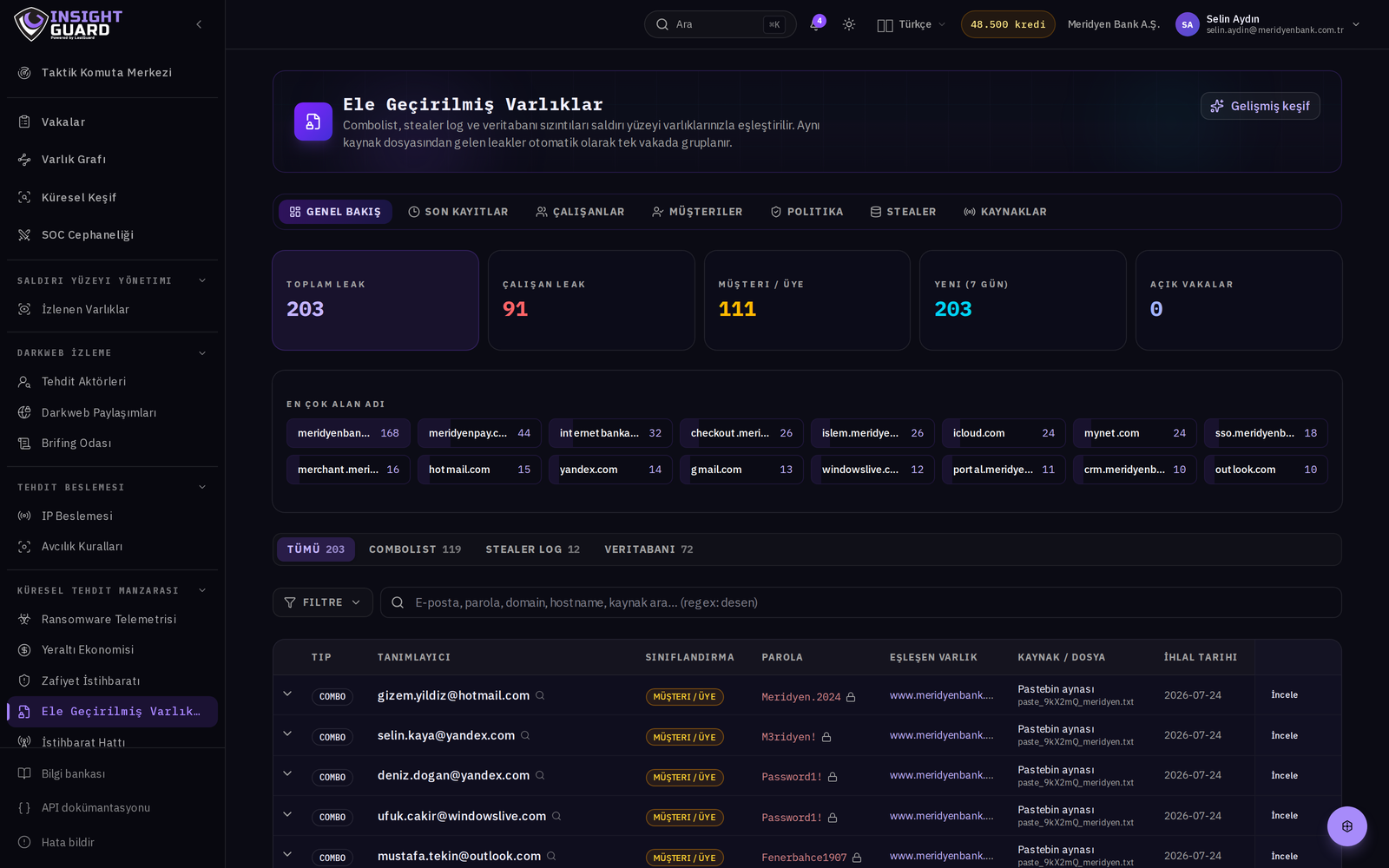
A valid session cookie removes the attacker's need for both the password and MFA. Case closure starts with session revocation.
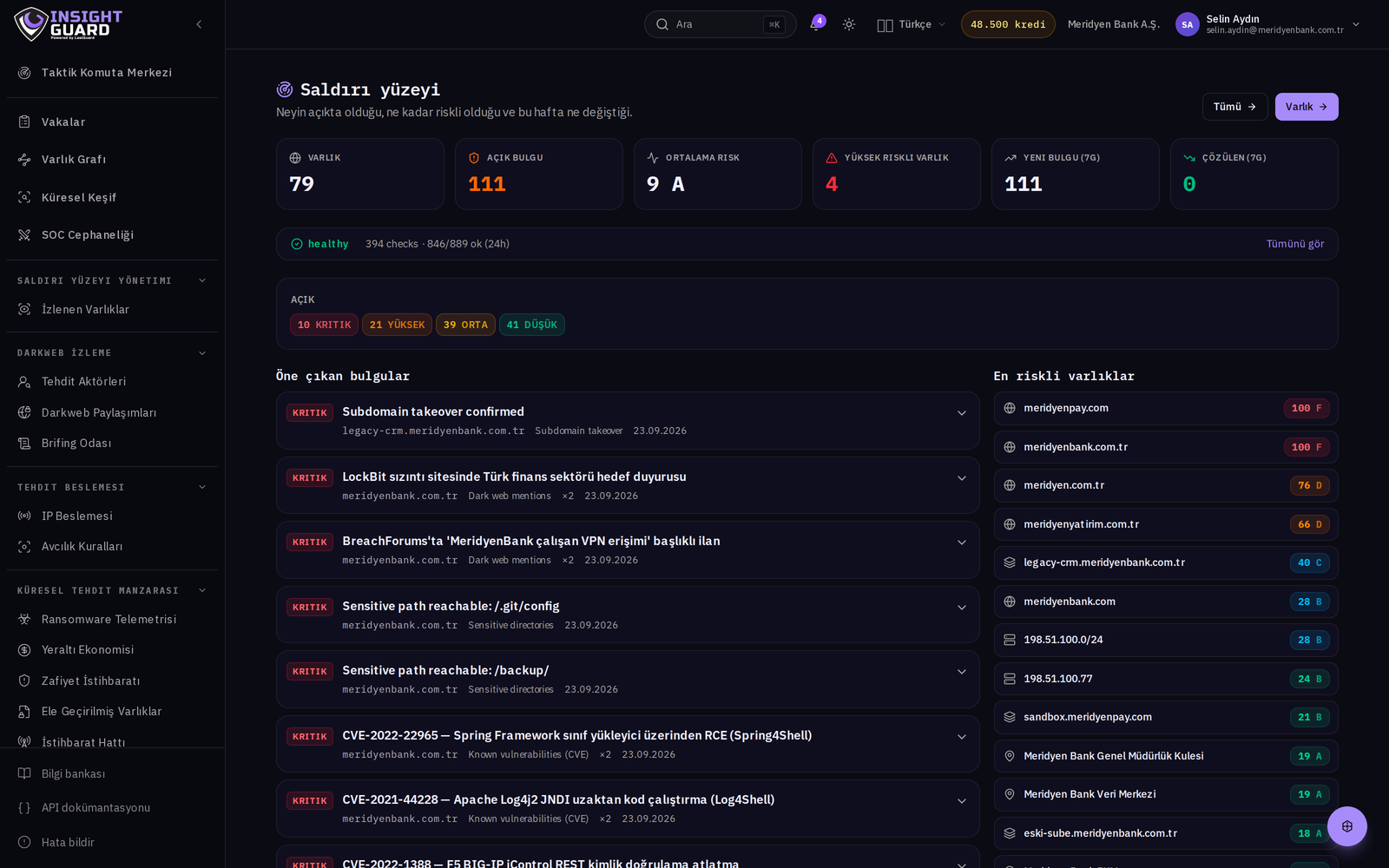
Most fake domains obtain a certificate before they go live. That is a window to see the campaign before its …
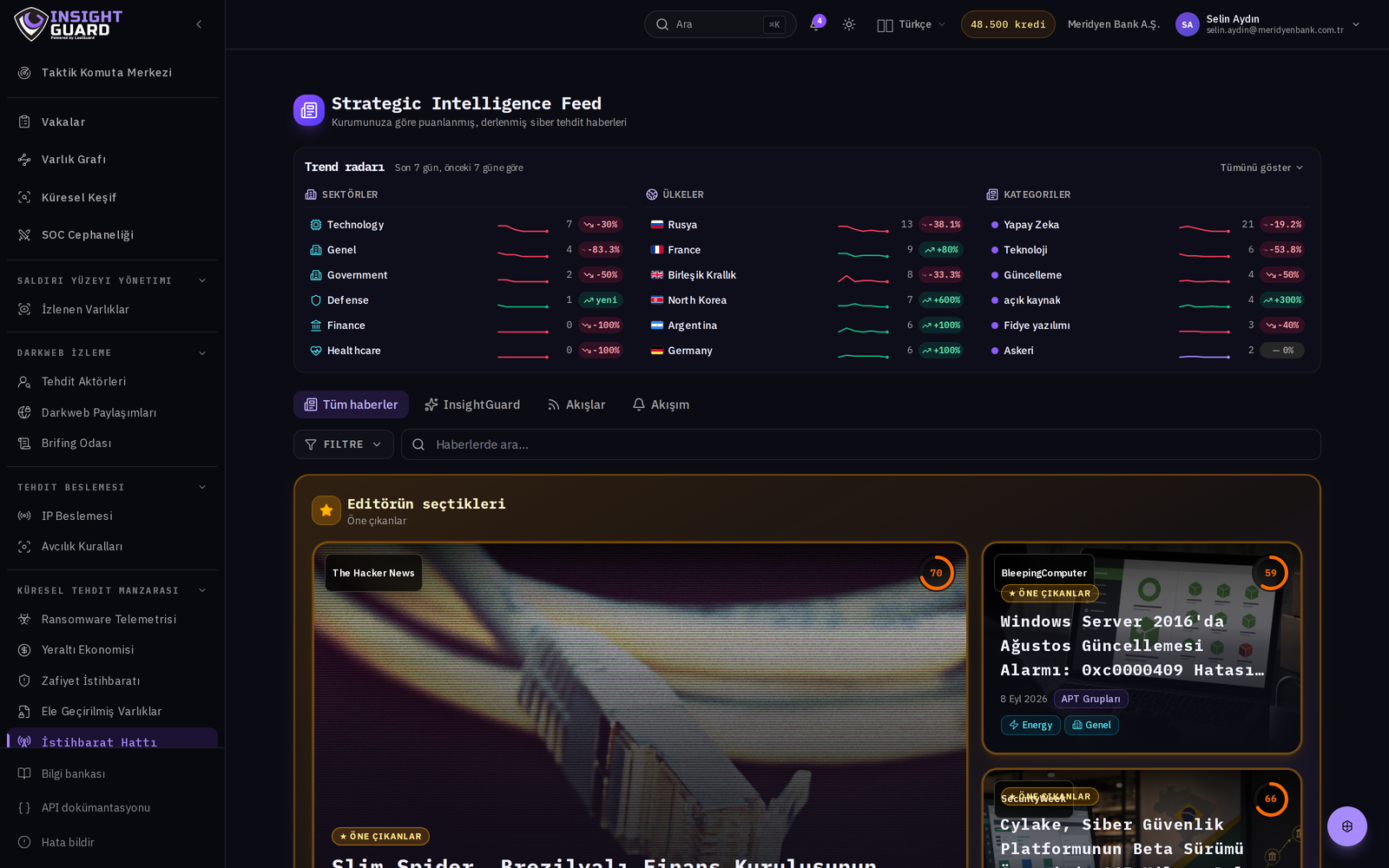
Leak sites are a marketing channel, not a victim list. Taking their numbers at face value produces wrong conclusions.
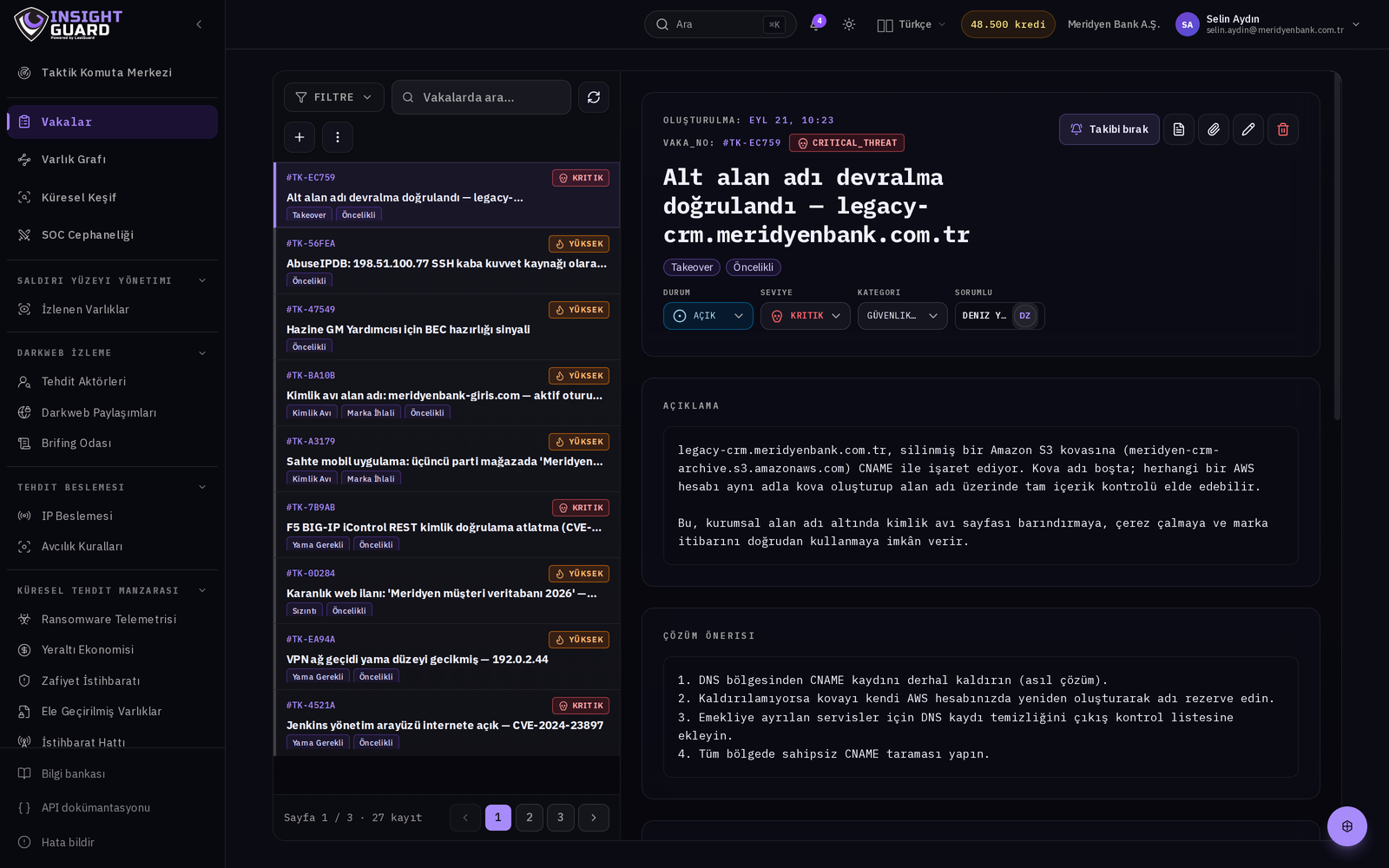
An annual supplier questionnaire starts ageing the moment the contract is signed. The externally visible surface can be measured continuously.
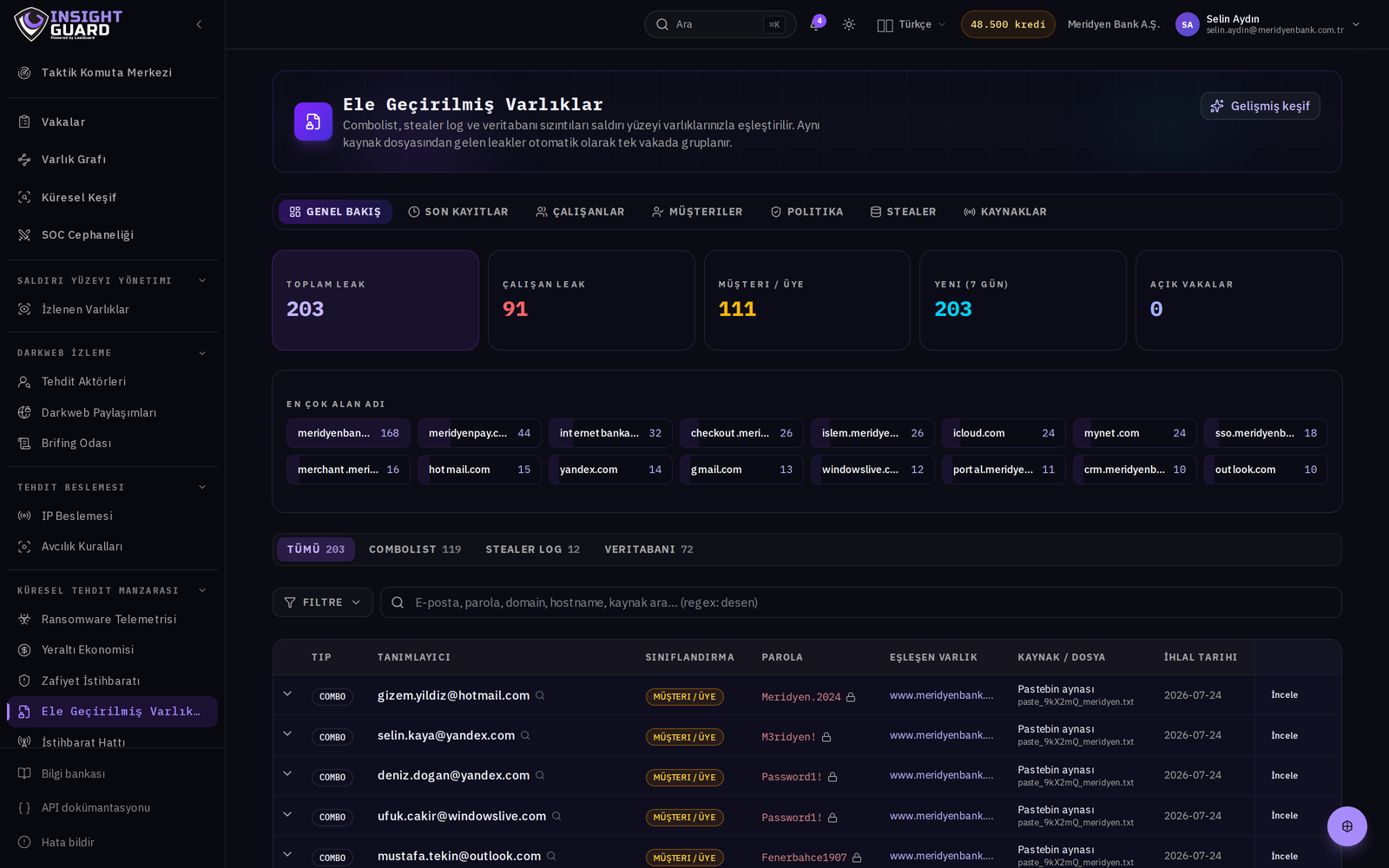
Listing technique IDs is not a coverage analysis. The real question is whether that technique is visible in your environment.
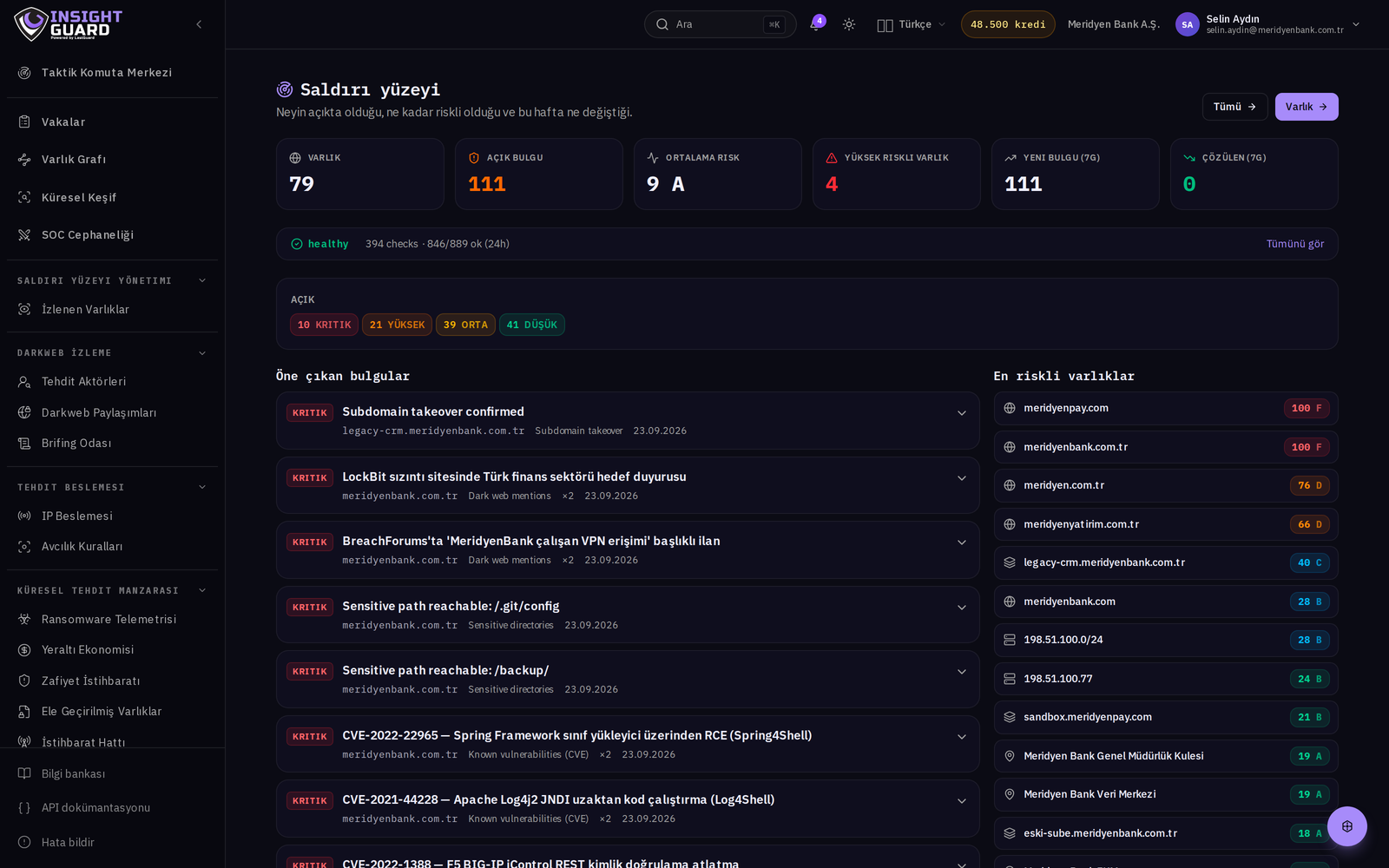
Searching the company name is the easiest and least productive method. Yield lives in terms that are specific and hard …
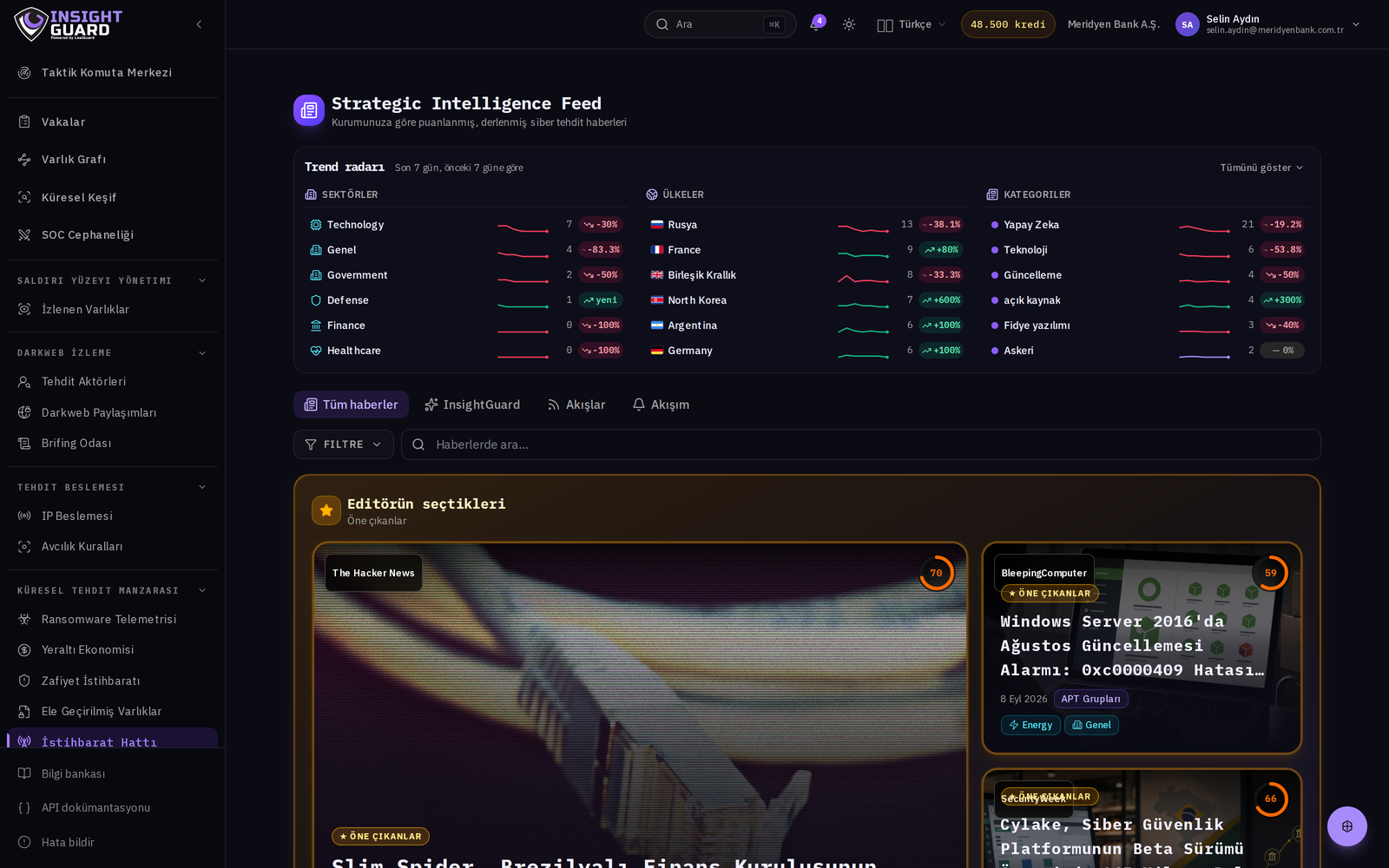
Fake executive accounts exploit hierarchy, not a technical flaw. That is why technical controls do not stop them.
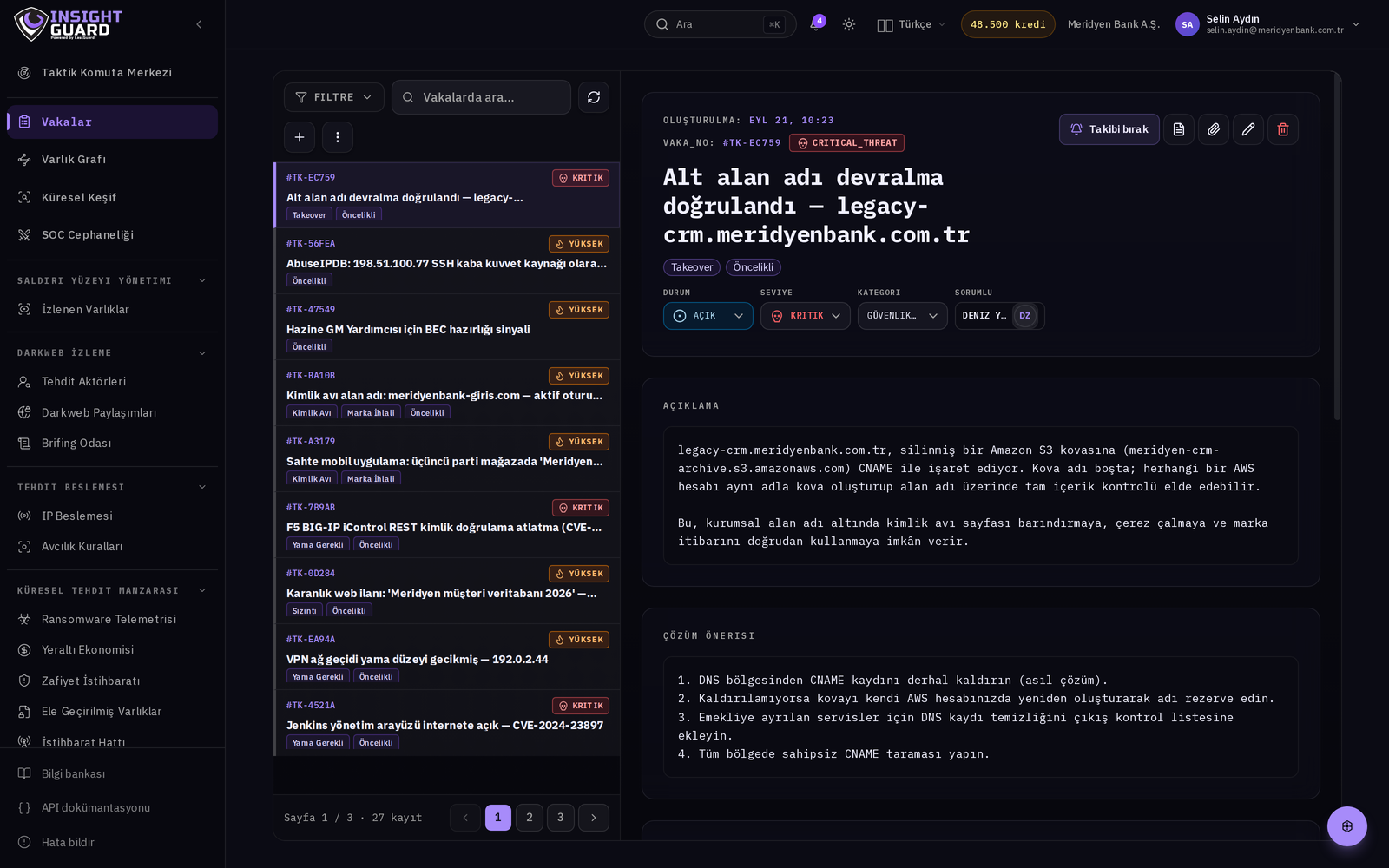
When a DNS record outlives the resource behind it, someone else can claim the name. Nobody notices, because nothing breaks.
The same finding cannot be told to a SOC analyst and a board in one document. A report that does …